The Best Skincare Routine for Acne and Blemish-Prone Skin
A warm, honest, expert-led guide to clearer, calmer skin and treating acne, written for our community.

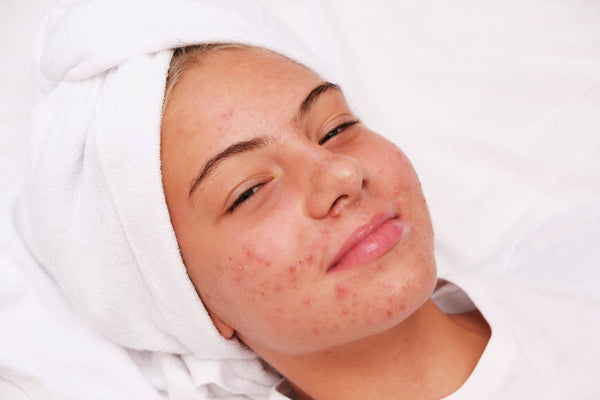
Acne has a funny way of becoming part of your life without asking permission. One week your skin is steady, familiar, predictable, and then suddenly you’re dealing with a breakout you didn’t see coming. For some of us it’s hormonal, for others, it arrives during stressful months or after a change in routine. And sometimes, acne simply shows up because that’s how your skin behaves.
What we hear from our community, repeatedly, is something along the lines of:
“I’ve tried everything, but nothing seems to stick. Where do I actually begin?”
That’s exactly why we created this guide. Not a rigid set of rules – acne rarely responds well to those – but a supportive, realistic routine shaped by what we see working every day in clinic. A routine that makes sense when life is busy, when hormones are shifting or when your skin simply isn’t playing along.
Acne is a hero category for us this year because we know how deeply it affects your confidence, comfort and sometimes even the way you move through your day. You deserve clear, straightforward advice that doesn’t overwhelm you or try to scare you into over-treating your skin.
So, let’s walk through what actually helps.
A Quick Word Before We Dive In: Acne Isn’t Your Fault
We say this often – and we’ll keep saying it – because too many of us carry the idea that acne is a sign we’re doing something “wrong.” It isn’t.
Acne-prone skin can be:
- Hormonal
- Genetic
- Stress-related
- Linked to your skin barrier
- Triggered by inflammation
- Or, it can be something as simple as your pores being naturally more active.
None of this has anything to do with how clean you are, how disciplined you are or how much water you drink (although hydration does help).
Once you stop blaming your skin, it becomes easier to work with it — and that’s where progress begins.
Your Morning Routine to Treat Acne: Calm, Protect, Support
Mornings set the tone for your skin. Think of this routine as a quiet reset rather than a battle plan. Here’s what we recommend:
1. Cleanse Gently - Really Gently
Many people think acne-prone skin needs strong, foamy, almost clinical cleansers to feel “clean.” But that tight, squeaky feeling afterwards? That’s often a sign your barrier is disrupted. And when the barrier is struggling, breakouts tend to flare more easily.
A good morning cleanser should:
- Feel comfortable on the skin
- Not leave your face feeling warm or dry
- Contain hydrating ingredients like glycerine or ceramides
- Rinse clean without stripping
Sometimes a simple, silky cleanser does far more for acne in the long run than a harsh wash ever could.
2. Apply a Targeted Serum Based on Your Type of Acne Breakouts
Acne isn’t one thing, so your serum shouldn’t be either. This is where we tailor your routine.
If you’re prone to clogged pores or tiny bumps:
A serum with salicylic acid (BHA) helps dissolve congestion inside the pore, not just on the surface.
If your breakouts are deeper, hormonal or painful:
Look for azelaic acid or niacinamide. This calms inflammation and help regulate oil without overwhelming sensitive skin.
If your skin marks easily or you’re dealing with lingering pigmentation:
Azelaic acid is especially helpful here, gentle enough for daily use but effective over time.
If your skin is easily irritated and feels “over-reactive”:
Focus on supportive ingredients first rather than aggressive actives. Sometimes strengthening the skin first leads to far better long-term acne control.
You don’t have to know exactly what type of acne you have – the right serum often reveals that naturally as your skin starts responding.
3. Moisturise Your Skin - Even if You Think You Don’t Need To
Acne-prone skin can be oily and dehydrated at the same time. What looks like “too much shine” is often your skin overcompensating because its barrier isn’t getting enough support.
A good moisturiser for acne-prone skin usually feels weightless, but it still:
- Reinforces your skin barrier
- Reduces that tight feeling that can lead to irritation
- Helps your treatment serums work better
Gel textures, oil-free creams and formulas with ceramides or peptides tend to work beautifully.
4. SPF - The Most Underrated Step in Your Acne Routine
SPF is non-negotiable when you’re treating acne, especially if you’re using ingredients like retinoids, acids or benzoyl peroxide.
Why? Because sunlight deepens post-acne marks and slows healing. It also makes skin more reactive to treatments, meaning you may experience more redness or dryness without adequate protection.
Modern SPFs are incredibly comfortable: breathable, matte, non-comedogenic. A good one feels like a finishing step, not an afterthought.

Your Evening Routine for Acne Treatment: Repair, Reset, Renew
Evenings are when your skin does most of its healing work. Treat this routine as a way of giving your skin room to breathe and recover from the day. Here is what we recommend for your evening skin routine to treat acne:
1. First Cleanse: Remove the Outside World
If you’ve worn SPF (and we hope you have), or makeup, or if you live in a city with pollution, a first cleanse helps loosen everything sitting on your skin.
Cleansing oils, balms or gentle micellar waters work beautifully. Nothing scrubbing, nothing that leaves your skin red and sore.
2. Second Cleanse: Create a Fresh Canvas
This cleanse doesn’t need to be harsh because you’ve already removed the heavy lifting. Your second cleanser simply ensures the skin is fresh, balanced and ready for your active ingredients.
Choose something soothing, hydrating and steady. Consistency helps your barrier stay happy.
3. Your Targeted Evening Active
This is the step that makes real change. Retinoids (retinol, retinal, or prescription formulas) are some of the most researched and effective ingredients for acne because they:
- Prevent pores from clogging
- Encourage healthy turnover
- Reduce the appearance of older breakouts
- Help smooth texture over time
Start slowly, just two nights a week. Let your skin learn the rhythm with the following:
Azelaic Acid
A gentle multitasker: reduces inflammation, calms redness, targets congestion, and helps fade marks.
Salicylic Acid
Great for congestion, but often best used on non-retinoid nights to avoid over-exfoliation.
Benzoyl Peroxide
Still one of the most effective ingredients for inflammatory acne. It’s potent, so the key is moderation and moisture.
Not every skin needs all of these. In fact, most of our customers we talk to need only one or two actives used consistently.
4. Moisturiser: Your Skin’s Backup Support System
After actives, a moisturiser helps steady the skin. It reduces the likelihood of irritation, flaking or that uncomfortable tightness.
If your skin is sensitive, try the “sandwich method” – a layer of moisturiser, then your active, then another layer on top. It cushions the skin beautifully.
Optional Weekly Add-Ons to Treat Acne (Only If They Help)
You don’t need a complicated routine. Most progress comes from consistency, not quantity. But there are a few optional steps that genuinely support acne-prone skin:
A Mild Exfoliant Once or Twice a Week
Chemical exfoliants – not scrubs – are usually the better choice. They gently lift dead skin cells without scratching or inflaming the skin.
If you’re using a retinoid, keep exfoliants separate (e.g., use them on different nights).
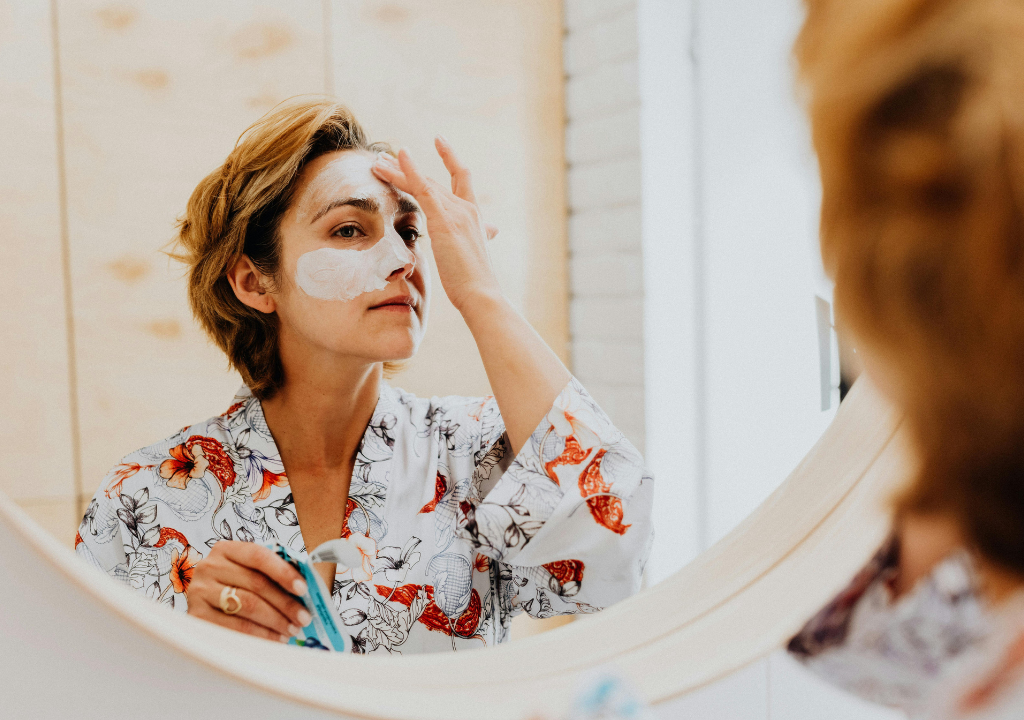
A Clarifying or Calming Mask
You don’t need to use masks endlessly, but the right one can be comforting.
Clay masks help with oil and congestion.
Sulphur masks soothe angry breakouts.
Hydrating masks give relief during retinoid adjustment phases.
Think of masks as “momentary relief” rather than long-term treatments.
Barrier-Building Treatments
Acne-prone skin often hides a compromised barrier. Strengthening it can change everything — fewer flare-ups, easier healing, less redness.
Look for ceramides, peptides, cholesterol, squalane, panthenol or Centella.
These help bring your skin back to a balanced, resilient baseline.
What Results Really Look Like for Acne and Blemish-Prone Skin
One of the hardest parts about treating acne is patience. Progress often happens quietly, underneath the surface, long before you see it. Here’s a more honest timeline:
- In the first 2–4 weeks: your skin may feel calmer, though breakouts may still appear.
- Around 6–8 weeks: congestion should start easing; texture can look more even.
- Around 12 weeks: the pattern of your breakouts often changes — fewer deep ones, less frequent new ones.
- Around 3–6 months: you see the “bigger picture” changes: smoother texture, fewer active blemishes, and faster recovery from any new spots.
It’s slow, but it’s steady.
When you're dealing with persistent breakouts, blackheads, or congestion, your skincare routine needs to work smarter—not harder. At Face The Future, we stock only clinically-backed products that support skin health while effectively targeting the root causes of acne.
Here are two expert-approved essentials that form the foundation of a powerful acne-fighting routine:
1. Medik8 Clarifying Foam
A cult-favourite for blemish-prone skin, this gentle foaming cleanser blends salicylic acid and niacinamide to clear pores, reduce inflammation, and balance oil production, without stripping your skin. Ideal for daily use, even on sensitive complexions.
2. La Roche-Posay Effaclar Duo+
This lightweight, gel-cream moisturiser is a go-to hydrator for oily and acne-prone skin. It delivers long-lasting hydration while visibly reducing spots, inflammation, and red marks. Bonus: it layers beautifully under makeup and SPF.
Everyday Habits That Quietly Support Your Skincare Routine
These aren’t rules, just gentle invitations to help your skin along.
1. Try not to pick, even when it’s tempting.
Picking can take a small blemish and turn it into a long-lasting scar.
2. Change your pillowcase more often than you think you need to.
It’s a small thing that can help reduce irritation.
3. Check in with yourself during stressful months.
Your skin often reacts before you do.
4. Don’t overhaul your routine every time you get a breakout.
Let your skin settle. Consistency wins.
5. Support your body with sleep, hydration and steady meals.
Unpredictable blood sugar can make hormonal acne feel worse.
When to Consider Professional Support From Our Skin Experts for Acne or Blemish-Prone Skin
If you’ve been navigating acne alone for a while and your skin isn’t improving — or if it’s affecting your confidence — it may be time for personalised advice from our helpful team of skin experts.
We regularly help people with:
- Persistent hormonal breakouts
- Cystic acne
- Acne that’s leaving marks or scarring
- Reactive, sensitive skin that struggles with treatment
- Routines that feel too confusing or overwhelming
Sometimes all it takes is a small tweak or a correctly chosen active ingredient. Other times, in-clinic treatments like gentle peels or LED therapy can speed up progress. You don’t have to figure it out alone.
Final Thoughts: Clearer Skin Is a Journey, Not a Test
Acne asks something from you – patience, gentleness, and a willingness to listen to what your skin is saying on any given day. It’s not about perfection. It’s not about scrubbing or punishing your skin into behaving. It’s about giving it the tools it needs, and allowing change to happen gradually, quietly, and sustainably.
Your skin is not working against you. It’s simply communicating in breakouts, redness and texture, and once you understand that language, things become much easier.
If you ever feel unsure of your next step, our team is here. Whether you want a full routine built for you, a single recommendation, or just someone to reassure you that you’re on the right path, contact us today.
Clearer days are ahead and we’ll help you along the way.
Shop Acne Busting Products