Dermatological Skincare

Skincare Developed and Recommended by Dermatologists

Dermatological skincare is developed with dermatologists and skin scientists, usually with a specific skin problem in mind. That could be dryness, sensitivity, dark spots or fine lines. This collection brings together leading dermatological brands, with cleansers, moisturisers, serums and sun protection to choose from.

Shop by Brand

Vichy

Vichy

Shop now
La Roche-Posay

La Roche-Posay

shop now
Bioderma

Bioderma

shop now
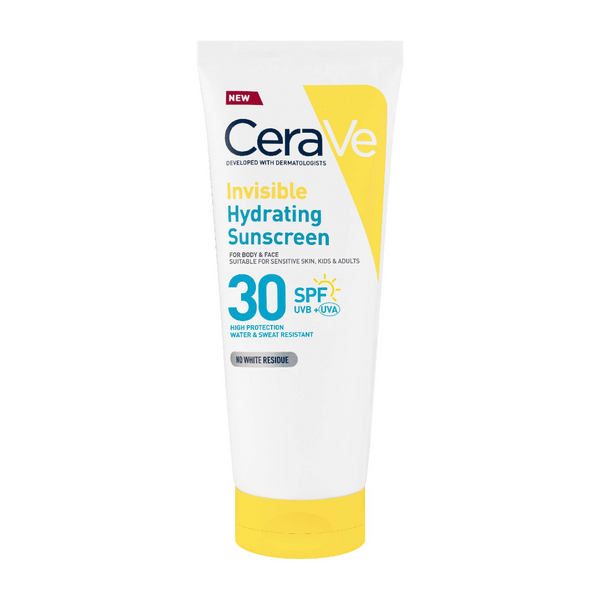
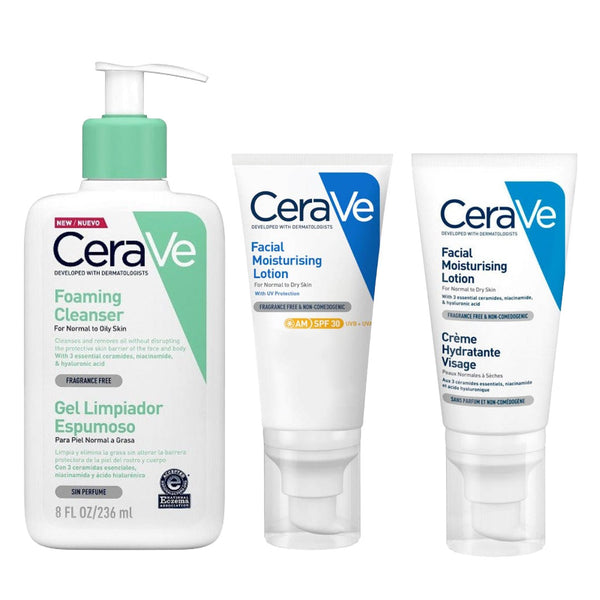
CeraVe

CeraVe

shop now
Eucerin

Eucerin

Shop now
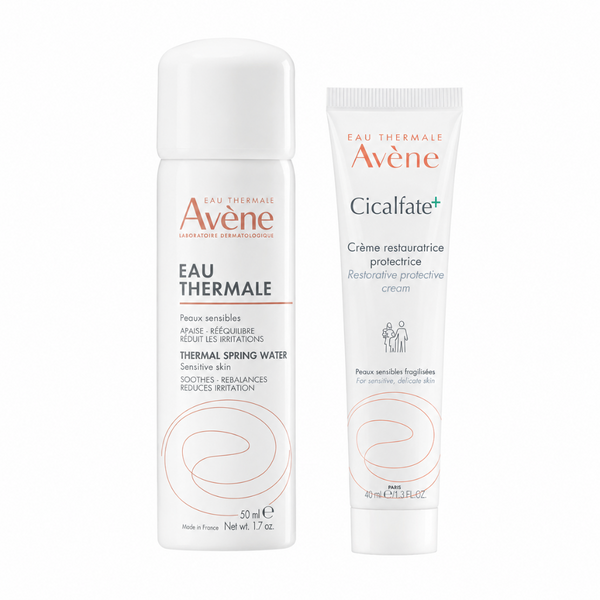
Avene

Avene

Shop Now
SkinCeuticals

SkinCeuticals

Shop now
Cetaphil

Cetaphil

Shop now
ZO Skin Health

ZO Skin Health

Shop now
Allskin MED

Allskin MED

Shop now
Institut Esthederm

Institut Esthederm

Shop now
Ultrasun

Ultrasun

Shop now

Shop by Skin Concern

Anti-Ageing

Anti-Ageing

Shop now
Acne & Blemishes

Acne & Blemishes

Shop now
Dry Skin

Dry Skin

Shop now
Sensitive Skin

Sensitive Skin

Shop now
Rosacea

Rosacea

Shop now

Shop by Product Type

Cleansing

Cleansing

Shop now
Face Care

Face Care

Shop now
Body Care

Body Care

Shop now
Sun Care

Sun Care

Shop now

Visit our Advanced Skin Clinic

Face the Future Advanced Clinic

Located near Leeds, West Yorkshire, Face the Future Advanced Skin Clinic for both men and women is an innovative clinic specialising in the very best advanced treatments for age management and stubborn skin conditions such as acne, rosacea and pigmentation.

Open 6 days a week, our expert clinicians offer a wide range of state of the art lasers for hair removal, tattoo removal, pigmentation, thread veins and much more.

Visit Our Clinic
Vichy Dercos Anti-Dandruff 2in1 Dermatological Conditioning Shampoo 200ml

About Dermatological Skincare

Choosing Dermatological Skincare

Dermatologist recommended skin care works best when you start with the problem, not the product. Dry, tight skin usually needs barrier support first. Dark spots and fine lines call for a targeted serum. If you wear sunscreen every day, a lightweight fluid you'll actually use beats a heavier one that stays in the bathroom cabinet. Introduce one new product at a time and give it a few weeks.

Dermatological Products for Your Skin Type

Skin that reacts easily needs a gentler start. Browse our products for sensitive skin first. If dryness is the main issue, a rich moisturiser for dry skin is the natural next step.

Not Sure Which Dermatological Products Are Right for You?

Want advice tailored to your skin? Start with our free online skin test. You can also contact our expert team for one-to-one advice, and read our blog for expert tips on building a routine that supports your skin goals.

Barrier Repair for Dry, Sensitive Skin

When skin is dry or easily irritated, the barrier usually needs help first. La Roche-Posay Cicaplast Balm B5+ is a multi-purpose balm made with 5% vitamin B5 and a prebiotic complex, and you can use it on your face and body. La Roche-Posay Lipikar AP+Max is a lightweight, non-greasy balm for very dry skin, including skin prone to atopic eczema. Both are suitable for sensitive skin.

shop la roche-posay

Targeted Serums for Everyday Skin Concerns

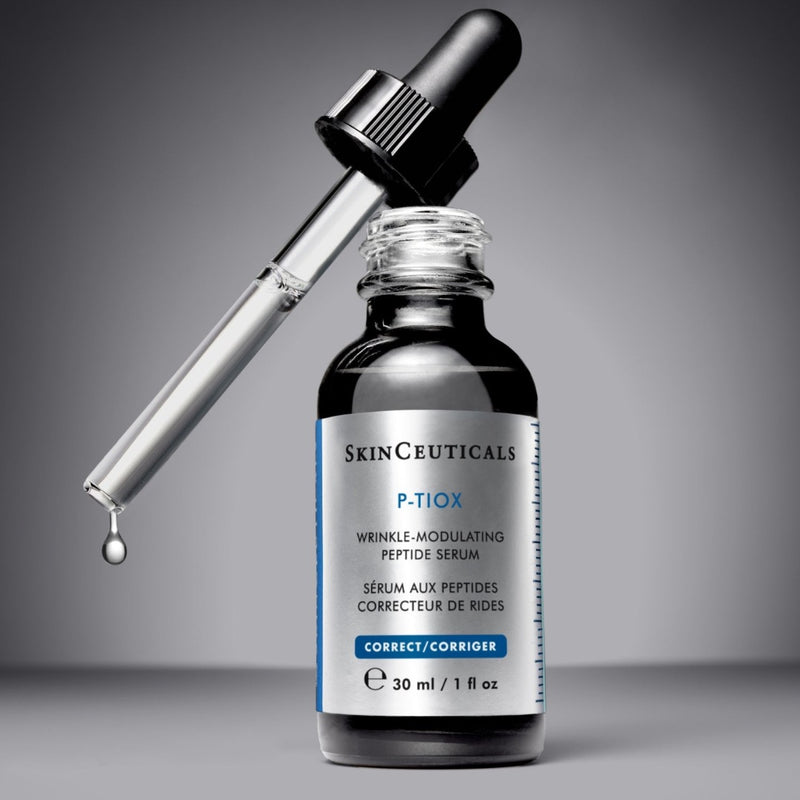
SkinCeuticals C E Ferulic is the one most people start with. It's a vitamin C serum made with 15% L-ascorbic acid, plus vitamin E and ferulic acid, and you apply a few drops every morning before sunscreen. H.A. Intensifier is a hyaluronic acid serum for hydration and plumping. P-TIOX is aimed at expression lines, such as forehead lines and crow's feet.

shop skinceuticals

Daily Sun Protection for Sensitive Skin

La Roche-Posay Anthelios UVmune 400 Invisible Fluid SPF 50+ is a lightweight, perfume-free sunscreen that is hypoallergenic and leaves no white marks. Eucerin Actinic Control SPF 100 is a fragrance-free fluid made for everyday use. Sunscreen only protects as well as the amount you apply, so be generous.

shop sunscreens

Expert Tip for Dermatological Skincare

"Dermatologist recommended doesn't mean you need everything on the shelf. Pick the one concern that bothers you most and choose a single product for it. Patch test on your inner arm first, then give the product a few weeks before you decide whether it's working. If you start several new products at once and your skin reacts, you won't know which one caused it."

- Kimberley, Clinic and Customer Experience Manager.

take the free skin test

What to Do When Your Skin Reacts to a Product

Even gentle products don't suit everyone. Our guide covers how to work out what caused a reaction and how to calm your skin down.

read the guide

Frequently Asked Questions

What is dermatological skincare?

Dermatological skincare is developed with input from dermatologists, usually to tackle a specific concern such as dryness or dark spots. Formulas tend to be simpler, with fewer extras, and many are tested on sensitive skin.

What does dermatologist recommended mean?

It isn't a tightly defined term, so it's worth checking what sits behind it. Some brands develop their products with dermatologists. Others simply have dermatologists who recommend them. Look at the evidence a brand shares, such as clinical results, rather than the badge alone.

Is dermatological skincare better than other skincare?

Not automatically. A well-made product from any range can work for your skin. What dermatological brands tend to offer is clinical testing and formulas made with sensitive skin in mind. That helps if you have a specific concern, and matters less if your skin is happy with what it's using.

Which dermatological skincare is best for sensitive skin?

Look for fragrance-free formulas with short ingredient lists, and introduce one product at a time. Patch test on your inner arm for a few days first. Barrier repair balms and gentle moisturisers are usually the safest place to begin. Our products for sensitive skin are a good starting point.

Which vitamin C serum do dermatologists recommend?

There isn't a single answer, but the advice tends to be similar. Look for a stable form of vitamin C, usually L-ascorbic acid, in packaging that keeps light and air out. Use it in the morning under sunscreen, and start every other day if your skin is sensitive.

Can dermatological skincare treat eczema or psoriasis?

Skincare can support skin with a condition like eczema or psoriasis, mostly by keeping it moisturised and the barrier comfortable. It can't treat the condition itself, and it doesn't replace anything your GP or dermatologist has prescribed. If your skin is painful or getting worse, speak to your GP.

Which dermatologist recommended moisturiser should I choose?

Match it to how your skin feels rather than the label. Dry skin does best with richer creams and balms, while oily skin usually prefers lighter gels and lotions. If your skin is sensitive, go fragrance-free. Our moisturisers for dry skin are a good place to begin if tightness is your main issue.

How do I build a simple skincare routine?

Keep it small. A gentle cleanser and a moisturiser are the base, with sunscreen every morning on top. Once your skin has settled, add one active, such as a vitamin C serum or a retinol, and give it a few weeks before you add anything else.