Magnesium Supplements

Enhance Everyday Wellbeing with Magnesium Supplements

Explore our collection of magnesium supplements, curated by our wellness experts, formulated to support sleep quality, muscle function, stress balance and overall vitality. From magnesium glycinate to citrate, discover carefully selected options designed to complement your lifestyle and promote long-term wellbeing.

Our collection includes magnesium sprays and magnesium oils that can be applied topically to support your bedtime routine, or opt for magnesium glycinate or magnesium citrate in a convenient tablet.

Sort by

Filter 4 products


Magnesium Supplements

About Magnesium Supplements

Find Your Perfect Magnesium Formula

From magnesium glycinate for relaxation to magnesium citrate for digestive support, choosing the right form ensures targeted results. High-strength tablets and gentle capsules are designed to suit different lifestyles and wellbeing goals, making daily supplementation straightforward and effective.

Personalised Advice on Magnesium Support

If you are unsure which magnesium supplement is right for you, our team is here to help. You can contact us for tailored recommendations, read our blog for expert insights, or take our free online skin test to discover personalised support aligned with your wellbeing goals.

Expert Tip for Magnesium Supplements

"Take magnesium in the evening with food to support absorption and encourage relaxation before bed. Choosing the right form for your goal, such as glycinate for sleep or citrate for digestion, can make a noticeable difference. Start with the recommended dose and increase only if advised by a professional. Consistent daily use often delivers the most reliable, long-term benefits."

– Kimberley, Clinic & Customer Experience Manager

take the free skin test

The Benefits of Daily Magnesium Supplementation

Magnesium is a real powerhouse when it comes to supplements, and can go a long way in addressing several complaints that affect our community day in and day out. Read on to see how magnesium supplements could support your wellbeing.

Sleep Quality: By helping to calm the nervous system, magnesium can support your sleep quality, helping you to get deep, restorative sleep that leaves you ready to face the day.

Muscle and Nerve Health: A magnesium spray is a great post-workout supplement as it helps to relax your muscles and can be used to prevent cramping or twitching.

Support Stress Levels & Mood: Commonly referred to as the relaxation mineral, magnesium can help to lower your stress hormones, leaving you feeling calmer and more supported.

Heart Health: Magnesium supports your heart health by helping you to maintain healthy blood pressure and supports a steady heartbeat.

Relief from Migraines: Migraines can occur for a number of reasons, whether they're stress-induced or due to changes in environment or lifestyle. When migraines occur, they can feel debilitating. Magnesium can be used to reduce the severity of migraines and headaches.

Magnesium In Your Body

Magnesium is found throughout your body; it's contained in every single cell, including your bones, muscles, soft tissue, fluids and blood.


Known as a "cofactor," meaning simply "a helper molecule", magnesium supports over 600 reactions that occur in your body, including converting food into energy, creating new proteins from amino acids, helping repair your DNA and RNA, aiding muscle concentration, and regulating neurotransmission.

How Can Magnesium Support Menopause?

We know menopause symptoms can be irritating, frustrating, and sometimes can get in the way of you living your life on your terms. That's why we're always excited to try out supplements for menopause with a proven track record.
When it comes to magnesium, it can support your menopause journey by:

  • Helping to reduce the severity and frequency of hot flushes and supporting temperature regulation.
  • During menopause, bone density loss accelerates, making it vital to take care of your bone health. We know when it comes to bone health, calcium supplements are key; this is where magnesium comes in. Magnesium helps calcium absorption, making supplements for bone health more effective.
  • With the changes that come along with menopause, it's only natural that your mood can be a bit up and down. Many women within our community report feeling irritable, anxious and suffering from brain fog. By elevating the neurotransmitter GABA, magnesium can help to calm your nervous system, boosting your mood and helping you feel a little more you.

Magnesium vs Magnesium Glycinate vs Magnesium Citrate: What's The Difference?

When it comes to magnesium supplements, there is a range of different options. Knowing the key differences will help you to identify the right supplement for you.

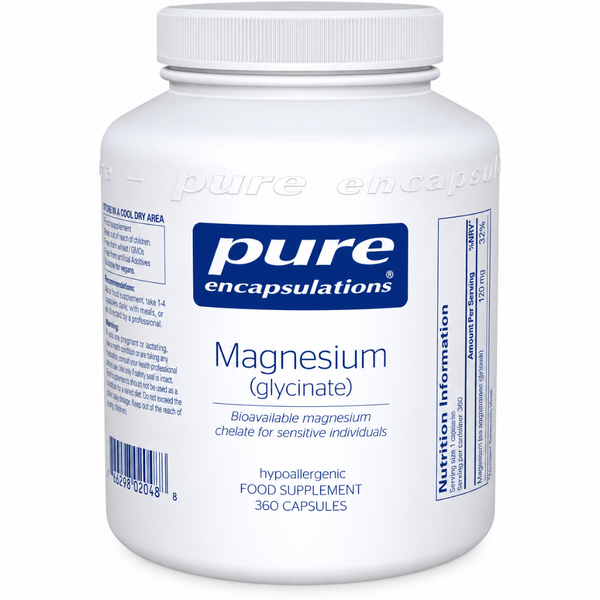
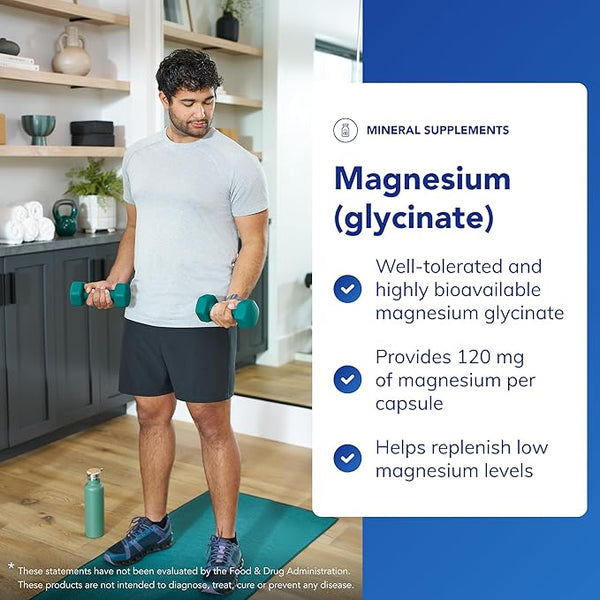
Magnesium Glycinate: Choose for stress, anxiety, insomnia, and muscle relaxation. Magnesium binds to the amino acid glycine, while the glycine acts as a neurotransmitter that promotes calmness. Magnesium glycinate is the most gentle form of magnesium supplement and makes a great choice for those with a particularly sensitive stomach.

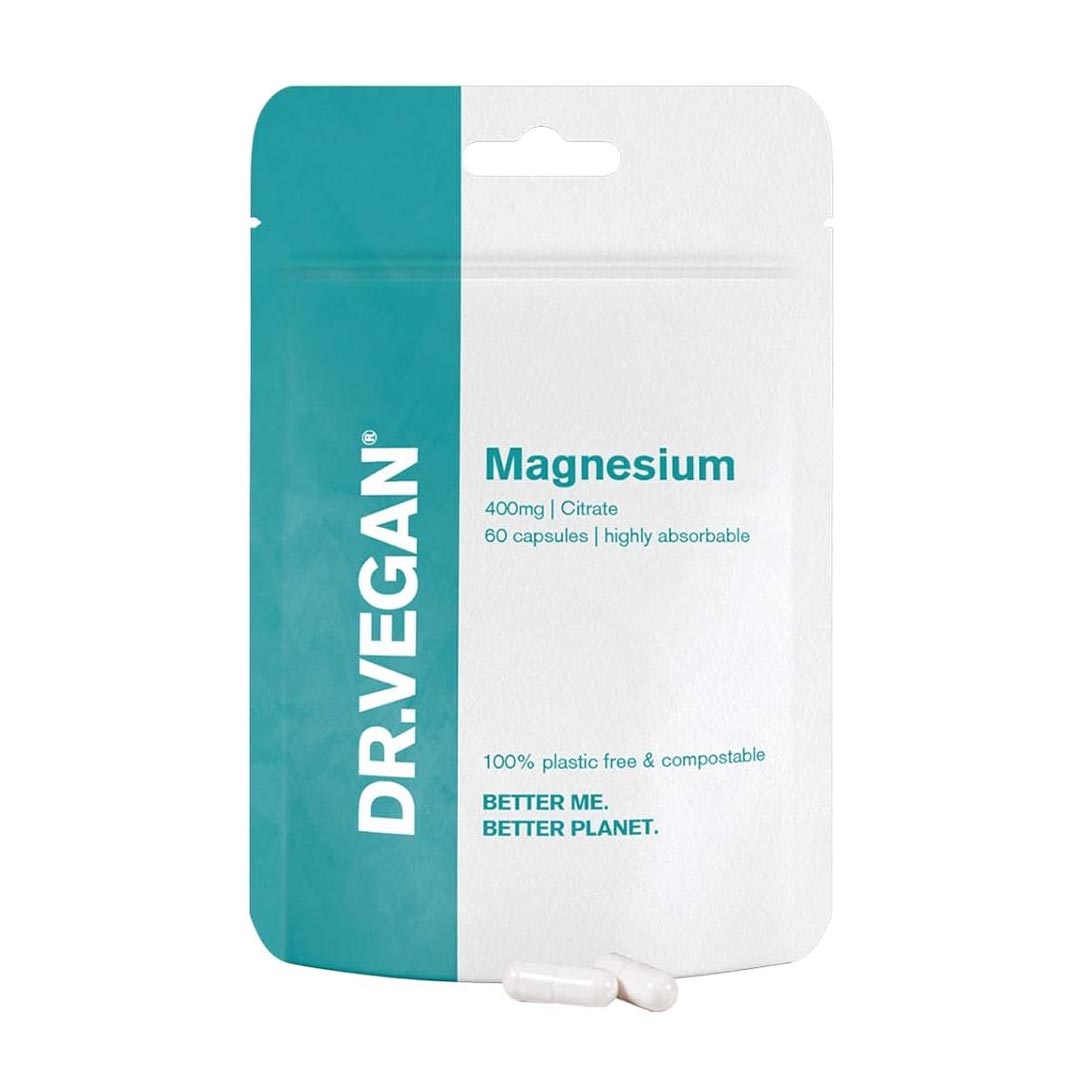
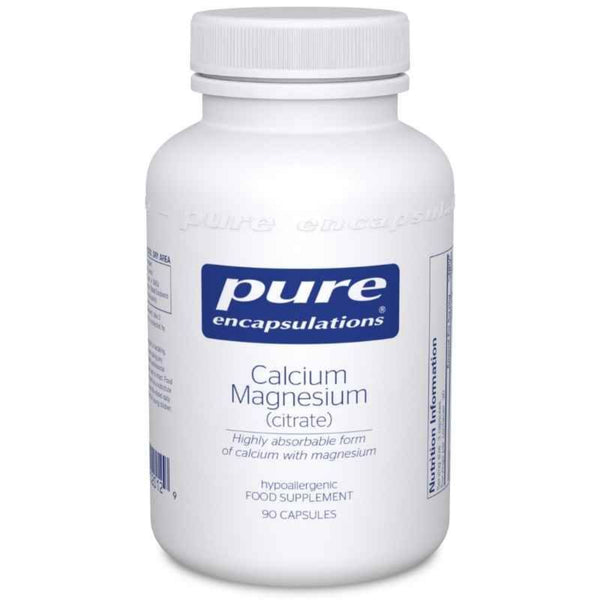
Magnesium Citrate: Choose for constipation, digestive discomfort and general deficiency. In this form, magnesium is bound to citric acid; the citrate helps to enhance solubility, making it a highly absorbable form of magnesium. We recommend that those with chronic digestive issues should typically avoid this form of magnesium. If you're ever unsure, always speak to your healthcare provider for advice or get in touch with our team of wellness experts.

Magnesium & Magnesium Oxide: This type of magnesium is bound to oxygen, and it is beneficial for symptoms including heartburn and indigestion. This more generic form of magnesium often contains a high concentration; however, the absorption rate is often lower than in magnesium glycinate or magnesium citrate.

Personalised Women’s Health Plans With Now Often Always

Understand your body with greater clarity through Now Often Always, the women’s health brand bringing together advanced blood testing, expert nutritionist support, and personalised wellbeing guidance. Designed to move beyond generic advice, NOA helps you uncover meaningful insights into your hormones, energy, thyroid function, vitamin levels, iron status, blood sugar, and more, so you can make informed choices that support how you feel every day.

discover NOA

Frequently Asked Questions

What are magnesium supplements good for?

Magnesium supplements are commonly used to support sleep quality, muscle function, energy production and nervous system balance. They may also help ease muscle cramps and promote relaxation.

Which form of magnesium is best for sleep?

Magnesium glycinate is often chosen for sleep support due to its gentle absorption and calming properties. It is commonly recommended for evening use.

What is the difference between magnesium glycinate and citrate?

Magnesium glycinate is typically associated with relaxation and is gentler on digestion, while magnesium citrate is often used to support digestion and may have a mild laxative effect.

Can magnesium help with muscle cramps?

Magnesium plays a key role in muscle function, and supplementation may help reduce cramps, particularly at night or after exercise.

How much magnesium should I take daily?

Recommended intake varies depending on age and gender. Always follow the dosage guidance on the product label and consult a healthcare professional if unsure.

Can I take magnesium every day?

Magnesium can generally be taken daily when used as directed. Consistency often provides the best results, especially for sleep or muscle support.

Is magnesium helpful during menopause?

Magnesium is frequently used to support sleep, mood balance and muscle comfort during menopause. It may complement other menopause supplements as part of a broader wellbeing routine.

What foods contain magnesium?

Many plant-based foods contain magnesium; top sources include pumpkin seeds, chia seeds, almonds, cashews, spinach, black beans, edamame and dark chocolate.

Are magnesium supplements safe?

Magnesium supplements are generally well tolerated when taken as directed, but taking too much can cause digestive discomfort, including nausea, stomach upset or diarrhoea. Always follow the dosage guidance on your chosen product and speak to your GP or pharmacist if you are pregnant, breastfeeding, taking medication, have kidney concerns or are unsure which magnesium supplement is right for you.