Products for Hormonal Acne

How to Treat, Prevent & Get Rid of Hormonal Acne

Hormonal acne can feel frustrating, persistent and often unpredictable. Whether you’re dealing with painful cystic breakouts along your chin or more widespread, recurring flare-ups each month, you’re not alone – hormonal acne is one of the most common skin concerns in adults.

If you’re searching for how to get rid of hormonal acne, the key is taking a consistent, targeted approach that supports your skin while addressing the underlying triggers.

Sort by

Filter 1 products

Brand
Product Type
SPF Content
Skin Type / Area
Hair Type / Area
Suitable For
Key Ingredient(1)
Price
£
£
Availability
Christmas Mask Set packaging with a pink house and trees on a white background, featuring the brand 'AIMX'.AimX Christmas Mask Set
AimX Christmas Mask Set

£30.66 £40.89 25% offsaving

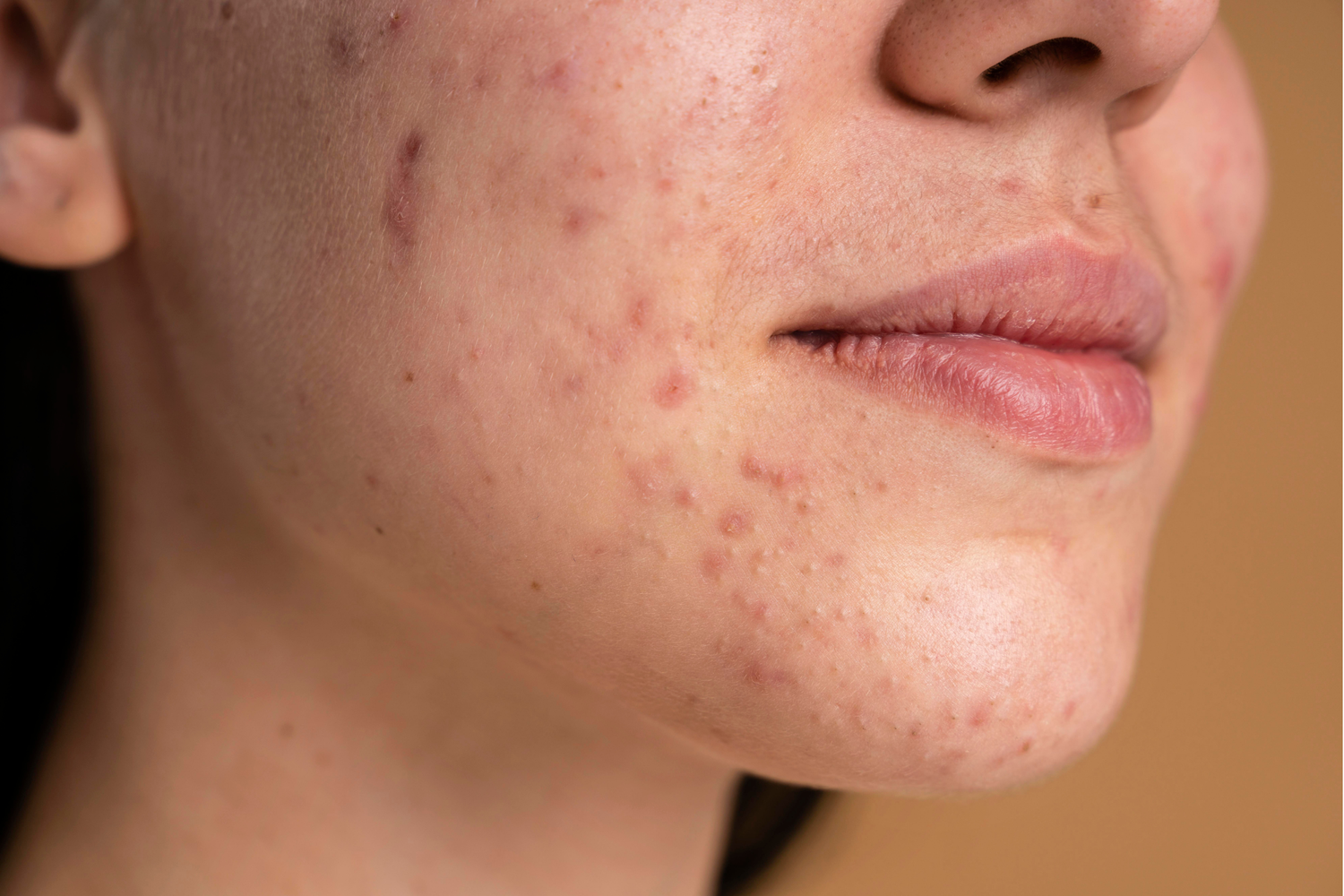
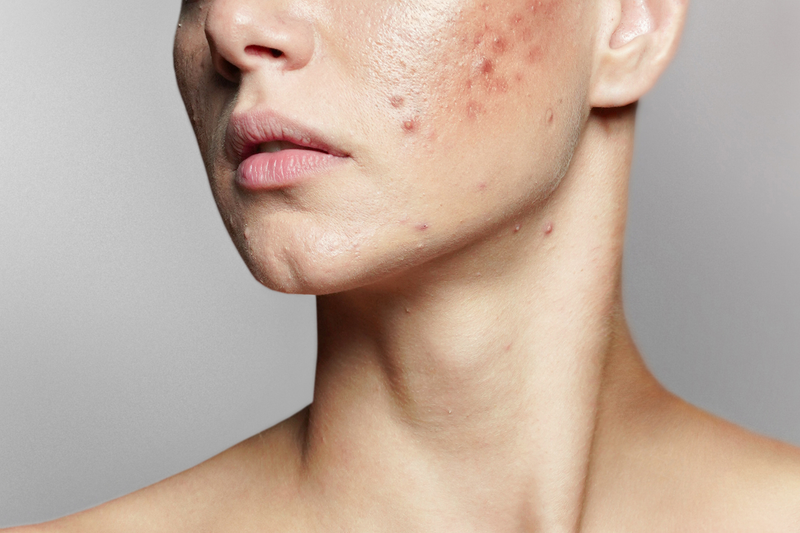
Adult hormonal acne on chin and jawline with inflamed breakouts and visible redness

About Products for Hormonal Acne

Discover Hormonal Acne Support That Works With Your Skin

Hormonal acne often presents as persistent, deeper breakouts that can feel difficult to manage without the right approach. Typically appearing around the chin and jawline, this type of acne is influenced by internal changes that impact oil production and skin balance. By choosing targeted ingredients and maintaining a consistent routine, it becomes possible to visibly reduce congestion, calm inflammation, and support a clearer-looking complexion.

Find Your Perfect Routine For Blemish-Prone Skin

Creating an effective routine starts with gentle cleansing, followed by ingredients that help refine and clarify. Salicylic acid works to unclog pores, while niacinamide supports oil balance and skin resilience. Retinol can help to promote renewal, improving overall texture over time. Pairing these with lightweight hydration ensures the skin barrier remains supported, helping to reduce the likelihood of further breakouts.

Personalised Advice On Managing Hormonal Breakouts

Every skin journey is unique, particularly when hormonal factors are involved. If you are unsure where to begin, you can contact us for tailored support, read our blog for expert guidance, or take our free online skin test to discover a routine suited to your skin’s needs.
How To Get Rid Of Acne And Pimples

Are you experiencing acne or do you have acne prone skin? Are you looking to improve your skin's overall health but can't afford dermatologist fees? Book in for a virtual consultation with a Face the Future skin expert and benefit from personalised advice regarding your acne and how you can use products at home to help treat it.

What is Hormonal Acne?

Hormonal acne is caused by internal changes in hormone levels, most commonly an increase in androgens such as testosterone. These hormones stimulate excess oil production, which can clog pores and lead to inflammation and breakouts.

Unlike general acne, hormonal acne often:

  • Appears on the chin, jawline and lower cheeks
  • Develops as deeper, more painful spots (including hormonal cystic acne)
  • Follows a pattern, such as monthly cycles or periods of stress
  • Persists into adulthood (commonly in your 20s, 30s and beyond)

Hormonal acne can affect both men and women, and is often linked to life stages such as puberty, pregnancy and menopause.

What Causes Hormonal Acne?

Understanding what causes hormonal acne can help you choose the most effective treatment approach. There are a variety of factors that cause hormonal acne, including:

Hormonal Fluctuations: Changes in hormone levels – particularly androgens – increase oil production, leading to clogged pores and breakouts. This is common for women during menstrual cycles, pregnancy, and perimenopause and menopause.

Stress and Hormonal Imbalances: High stress levels increase cortisol, which can worsen stress hormonal acne by triggering excess oil and inflammation.

Diet and Lifestyle Factors: For some people, diet plays a role in hormonal acne breakouts. Potential triggers include high-glycaemic foods (sugary or processed foods), dairy products, and a lack of sleep or poor lifestyle habits.

Genetics: If acne runs in your family, you may be more prone to experiencing hormonal acne breakouts.

Incorrect Skincare: Using heavy, pore-clogging or overly harsh products can disrupt your skin barrier and worsen hormonal acne breakouts.

The Different Types of Hormonal Acne

Hormonal acne doesn’t look the same for everyone. Understanding your skin can help you decide how to treat hormonal acne more effectively. The different types of hormonal acne include:

Hormonal Cystic Acne

  • Deep, painful and inflamed breakouts under the skin
  • More likely to cause scarring

Hormonal Chin Acne

  • One of the most common forms
  • Linked to hormonal cycles and internal changes

Hormonal Acne on Cheeks

  • May indicate lifestyle or environmental triggers

Fungal Acne vs Hormonal Acne

  • Hormonal acne is deeper, often painful and cyclical
  • Fungal acne appears as small, uniform bumps and may feel itchy

How To Treat Hormonal Acne

If you’re wondering how to treat hormonal acne, the most effective approach combines targeted ingredients with a consistent, gentle routine. A good routine to follow is:

1. Cleanse Gently, But Effectively

  • Use a non-stripping cleanser morning and evening
  • Look for ingredients like glycerin and ceramides to maintain your skin’s hydration

2. Use Targeted Treatments

The best ingredients for hormonal acne treatment include:

3. Hydrate and Support Your Skin Barrier

It may feel counterintuitive, but hydration is essential. Dehydrated skin can produce more oil, worsening breakouts.

  • Choose lightweight, non-comedogenic moisturisers
  • Avoid overusing active ingredients

4. Always Wear SPF

Daily sunscreen helps protect your skin and prevent post-acne pigmentation, especially when using active treatments.

5. Stay Consistent

If you’re trying to fix hormonal acne, consistency is key. Most treatments take 4-8 weeks to show visible results.

Supporting Hormonal Acne Long-Term

If your goal is how to prevent hormonal acne, long-term management is essential:

Build Sustainable Habits

  • Keep your routine simple and consistent
  • Avoid switching products too frequently

Manage Internal Triggers

  • Reduce stress where possible
  • Prioritise sleep and overall wellbeing

Consider Your Diet

Whilst not the sole cause, some people find improvements by:

  • Reducing high-sugar foods
  • Monitoring dairy intake

Use Targeted Skincare Regularly

Using active ingredients consistently, not just during breakouts, can help to reduce hormonal acne over time. For persistent or severe acne, professional advice or hormonal acne medication may be recommended.

Products for Acne Scarring

Hormonal acne can sometimes leave behind marks or uneven texture, particularly if breakouts are deep or inflamed. To support post-acne skin, look for ingredients that:

  • Help brighten and even skin tone (such as azelaic acid and niacinamide)
  • Encourage gentle exfoliation to smooth texture
  • Support skin repair and barrier function

A consistent routine can help reduce the appearance of post-acne pigmentation over time while preventing future breakouts.

Frequently Asked Questions

WHAT IS HORMONAL ACNE?

Hormonal acne is a type of acne caused by fluctuations in hormones, particularly androgens, which increase oil production and lead to clogged pores and breakouts.

HOW TO GET RID OF HORMONAL ACNE?

To get rid of hormonal acne, use targeted skincare ingredients like salicylic acid, retinoids and azelaic acid, whilst maintaining a consistent routine that supports your skin barrier.

HOW TO TREAT HORMONAL ACNE NATURALLY AT HOME?

To treat hormonal acne naturally, focus on stress management, a balanced diet, gentle skincare and avoiding overloading your skin with too many active ingredients.

HOW TO TREAT HORMONAL ACNE?

Treating hormonal acne involves consistent skincare, avoiding pore-clogging products, managing stress and supporting your skin with the right active ingredients.

HOW TO PREVENT HORMONAL ACNE?

Preventing hormonal acne requires long-term consistency, including a balanced skincare routine, healthy lifestyle habits and regular use of targeted treatments.

WHAT CAUSES HORMONAL ACNE ON THE CHIN?

Hormonal chin acne is often linked to fluctuations in hormones, particularly during menstrual cycles or periods of stress.

HOW LONG DOES HORMONAL ACNE LAST?

Hormonal acne can be ongoing, but individual breakouts typically last several days to weeks. With consistent treatment, improvement is usually seen within 4-8 weeks.

WHAT IS THE BEST TREATMENT FOR HORMONAL ACNE?

The best treatment for hormonal acne includes ingredients like salicylic acid, retinoids, azelaic acid and niacinamide, combined with a consistent and gentle skincare routine.