Are Your Teens Damaging Their Skin Barrier?
Could your teenager’s trending skincare routine be doing too much? Face the Future Clinic Manager Kimberley explains the signs of a compromised skin barrier, how to simplify their routine and which ingredients...

A cleanser, a moisturiser and a little SPF made up most teenage skincare routines when delving into this self-care ritual for the first time, and that was enough for us. Now, one scroll through social media can introduce younger skin to exfoliating acids, retinoids, acne treatments and routines with more steps than many adults would attempt.
An interest in skincare can be a positive thing. The trouble starts when teenagers feel they need every trending active at once, even when their skin is not asking for it. “It’s becoming increasingly common to see teenagers with compromised skin barriers,” explains Kimberley, Face the Future Clinic Manager. “Social media has introduced younger audiences to sophisticated skincare routines featuring multiple active ingredients, often before their skin actually needs them.” So, how can you tell whether your teenager’s routine is helping their skin or quietly overwhelming it?

What Causes A Damaged Skin Barrier In Teenagers?
A complicated routine is not automatically a better one. When several powerful ingredients are layered together, or you're using one that isn't suited to your skin, young skin can quickly become irritated and inflamed, damaging the skin barrier.
“We’re seeing many teens combining exfoliating acids, retinoids and acne treatments without understanding how these ingredients interact,” says Kimberley. “While these ingredients can be incredibly effective when used correctly and age appropriately, layering too many at once can overwhelm young skin and lead to irritation.”
A teenager may begin with one acne treatment, add an exfoliating toner after seeing it recommended online, then introduce a retinoid because another creator described it as essential. Before long, the routine contains several products overdoing similar jobs, with little time for the skin to adjust.
Signs Of A Compromised Skin Barrier For Teens
A damaged skin barrier does not always look dramatic. Some teenagers may simply notice that products they previously tolerated have started to sting, or that their skin feels tight immediately after cleansing.
Common signs include:
- Persistent redness
- Dryness or flaking
- Tightness after cleansing
- Increased sensitivity or stinging
- Itchiness
- Skin that feels rough or uncomfortable
- Breakouts that worsen despite using acne treatments
Oiliness can make the signs particularly confusing. “It’s also possible for skin to appear both oily and dehydrated at the same time, which can be a sign that the barrier has been disrupted,” Kimberley explains. Reaching immediately for a stronger cleanser or another exfoliating product may only add to the discomfort, as oil does not always mean the skin needs to be stripped back further.
How Can Teens Repair A Damaged Skin Barrier Effectively?
When skin feels sore, tight or unusually reactive, the answer is rarely another active ingredient.
“The first step is to simplify the routine,” says Kimberley. “Temporarily pause unnecessary active ingredients, particularly exfoliating acids and retinoids, and focus on supporting the skin barrier.”

That means stepping back from the crowded bathroom shelf and returning to the essentials while the skin settles:
- Cleanse gently without over-washing.
- Apply a nourishing moisturiser.
- Use a daily broad-spectrum SPF.
- Leave unnecessary active ingredients out of the routine temporarily.
The Best Ingredients For Strengthening A Teen Skin Barrier
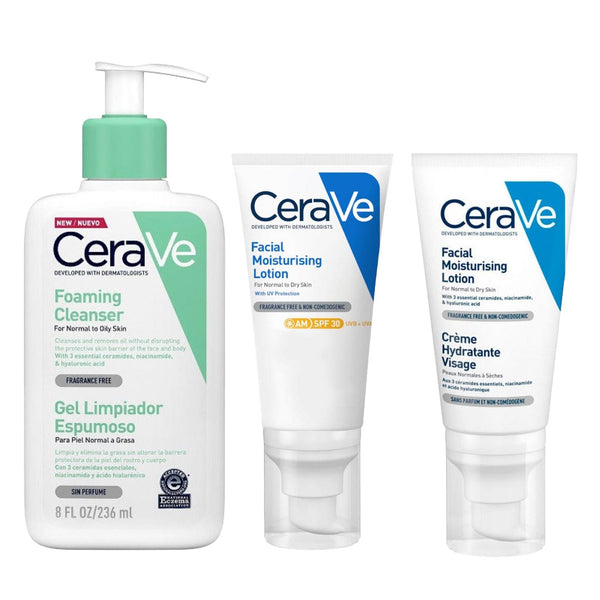
Teen skincare does not need to read like a chemistry textbook. When the barrier is compromised, familiar, supportive ingredients can be more useful than the latest trending active. “A gentle cleanser, a nourishing moisturiser containing ingredients such as ceramides and glycerin, and a daily broad-spectrum SPF are usually all that’s needed while the skin recovers,” Kimberley advises.
Ceramides can support the skin barrier, while glycerin helps the skin hold onto hydration. The focus should be on helping the complexion feel comfortable again.
What Daily Skincare Routine Supports A Healthy Skin Barrier For Teens?
A suitable routine should be easy enough to follow consistently and simple enough that the teenager can tell what each product is doing.
Morning
Use a gentle cleanser where needed, followed by moisturiser and broad-spectrum SPF.
Evening
Cleanse the skin to remove the day’s build-up, then apply a nourishing moisturiser.
“In many cases, less really is more,” Kimberley says. “Teen skin often benefits from a simple routine focused on cleansing, moisturising and sun protection, with targeted treatments introduced only where truly needed.” Targeted acne products can still have a place, but they should be chosen for the individual rather than added automatically because they are popular online.


What Makes A Good Teen Skincare Brand?
A good teen skincare brand should make looking after the skin feel clearer, not more complicated. Look for straightforward products, understandable directions and formulas that allow teenagers to build a basic routine before introducing targeted treatments.
The most suitable choice is not necessarily the brand with the loudest social media presence. It is the one that offers products appropriate for the teenager’s skin, explains how to use them properly and does not encourage unnecessary layering.
When To Ask For Professional Advice
Simplifying the routine should help remove some of the guesswork, but persistent irritation or severe acne deserves individual support. “If irritation persists or acne is severe, it’s always worth seeking advice from a skincare professional, who can recommend a routine tailored to the individual’s skin rather than following trends online,” says Kimberley.
Teenagers do not need to lose their interest in skincare. They may simply need help separating genuinely useful advice from routines designed to perform well on a screen. You can call today to chat to us about your teen's skin or book a consultation with us so we can offer a full personalised routine.