haircare

Hair Loss in Women: Why It Happens and What You Can Do
–
13 min read
Hair loss. It sneaks up on you, doesn’t it? One day your hair feels fine, and the next you notice large clumps of hair falling out at once – sometimes out of...

Hair loss. It sneaks up on you, doesn’t it? One day your hair feels fine, and the next you notice large clumps of hair falling out at once – sometimes out of nowhere. It’s also a deeply personal experience for us that feels embarrassing to confront. If you’ve been there, you’re not alone, and it’s not the end of the story.
Often, we look for answers to questions such as: “Which products actually work?” At Face the Future, we help patients in-clinic and online every day with practical, science-backed guidance. This long-form guide brings that advice together so you can take confident next steps, and here, we’ll look at some of the common causes of hair loss in women and what can be done to prevent or treat it.First Things First – What is “Normal” Hair Shedding?
Everyone sheds hair, both women and men, with around 50–100 hairs a day being the general range. When more start to come out though, it’s your body’s way of saying something’s off-balance. The trick is working out what that something is. Some causes are temporary (stress, postpartum changes, iron deficiency). Others, like genetic thinning or ageing can stick around but can be managed with a smart routine. The earlier you start, the easier it is to slow down the process.What Are Some of the Causes of Hair Loss in Women?
Let’s first walk through some of the most common reasons we see in clinic when women are dealing with hair loss:Hormones and Genetics
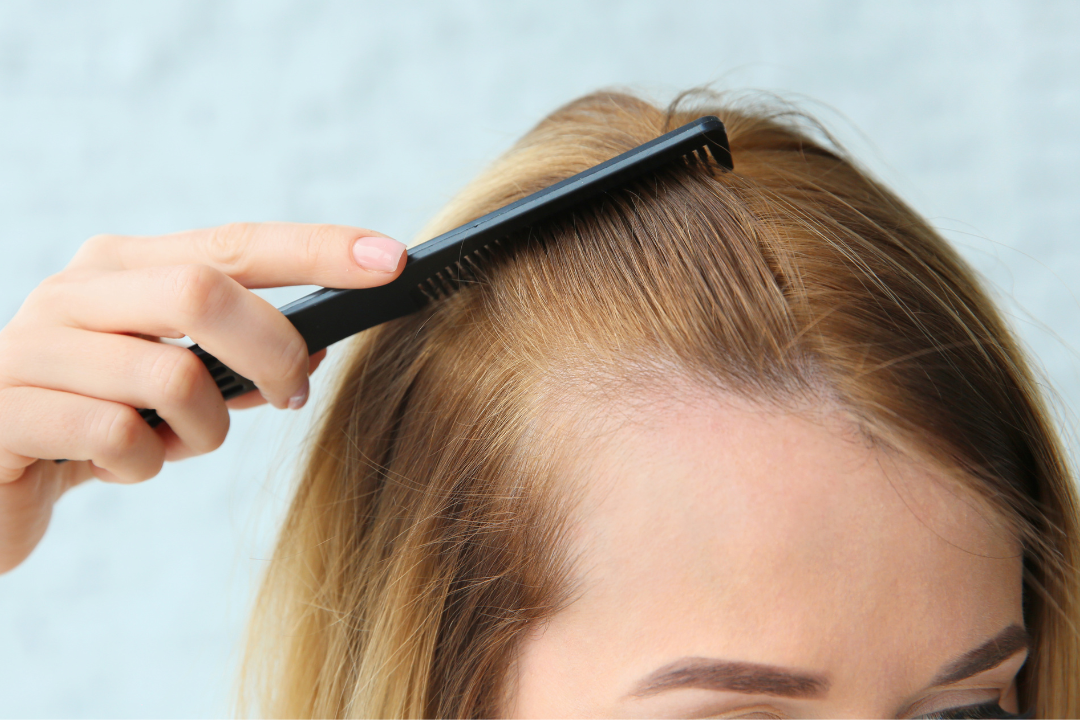
Probably the big one. This can be because of alopecia – sometimes caused by hormonal factors, genetics, conditions and female pattern hair loss (known as Androgenetic alopecia).
Some hair follicles are also more sensitive to DHT (Dihydrotestosterone), a hormone linked to pattern thinning. The result? Gradual loss around the crown or temples – and this can be more pronounced as we age. However, this can be alleviated with the Hair Gain vegan haircare range; clinically backed haircare products to support scalp health, reduce hair fall and encourage fuller, thicker hair. A few things we recommend:- Stay consistent with a caffeine or peptide serum. It helps keep follicles in their active phase longer.
- Don’t skip scalp cleansing, as blocked follicles can’t function well. We stock a range of scalp care treatments to boost hair health.
- For more targeted help, micro-needling or polynucleotide injections can encourage stronger regrowth.
After Pregnancy
Almost every new parent goes through it. During pregnancy, high oestrogen keeps hair thick; after birth, levels fall and all those “saved” hairs fall out together. It looks dramatic, but it’s usually temporary. Keep the scalp clean, use gentle strengthening products, and remember that the shedding often peaks around month four before it settles.Menopause
In terms of major physical changes that affect women, menopause can also cause hair loss. During menopause, the decline in oestrogen and progesterone disrupts the hair’s growth cycle, and so hair sheds more readily and becomes finer. Also, with lower oestrogen levels, androgens (male-type hormones such as testosterone) can exert a stronger influence on the scalp. These androgens cause hair follicles to shrink,which over time results in thinner hair that may appear thinner.Stress and Lifestyle
Ever noticed your hair shedding more after a tough few months? That’s no coincidence. Stress can nudge follicles into their resting phase. Illness, lack of sleep, big life changes – they all play a role. When stress levels drop, hair usually restarts its cycle. The key is supporting it in the meantime with regular meals, sleep, and a simple routine you can stick to.Nutrient Gaps
Hair’s a protein fibre, so if your diet’s short on iron, zinc, vitamin D or overall protein, follicles can’t work properly. We often tell clients: get your bloods checked before supplementing. Once you know where you stand, a biotin and zinc-based supplement is worth adding.Scalp Buildup and Inflammation
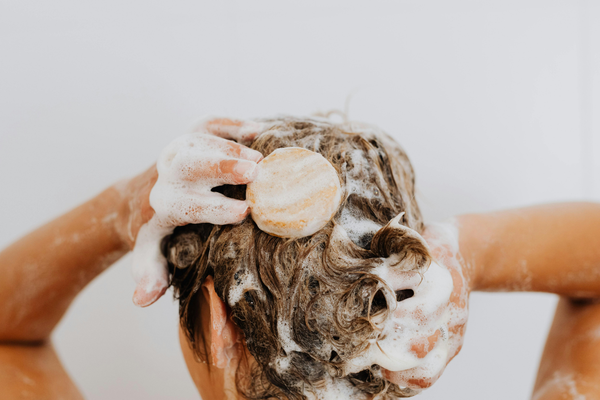
The scalp’s skin, plain and simple. Product residue or dandruff can clog things up, making growth harder. Use a growth shampoo with mild exfoliating action — just enough to keep the roots clear. If your scalp’s easily irritated, fragrance-free options are your friend.Other Issues
Problems like thyroid disease, polycystic ovary syndrome (PCOS), illnesses, medications and hairstyling – such as ponytails and braids can cause hair loss or thinning.
Habits That Quietly Make Hair Loss Worse
There are some habits that can affect your hair, and even speed up incidences of hair loss. These include:- Constant high ponytails or braids pull on follicles – try letting your hair rest.
- Straighteners and curling wands on full heat are a slow sabotage. Lower the temp or take heat-free days.
- Overlapping chemical services (bleach, relaxer, colour) weakens strands; spread them out.
- Brushing hair when it’s dripping wet.
Ingredient Support: What to Look For
There are a range of supporting ingredients that can help to prevent or treat hair loss in women. These include the following:- Biotin (Vitamin B7): Co-factor in keratin production; supports strength and resilience.
- Caffeine: Helps stimulate follicles and is a staple in modern growth shampoos and hair serums.
- Peptides: Short protein fragments that signal the scalp to maintain and repair the hair-bearing structures.
- Vitamins A, C, D, E: Support normal cell function, antioxidant defence and barrier health on the scalp.
- Zinc: Important for protein synthesis and follicle function.
- Soothing bases: For sensitive scalps, seek fragrance-free and dermatologically tested formulations.
Rosemary Oil for Hair Growth
If you’ve spent any time looking into natural ways to support thinning hair, you’ve probably come across hair oils – specifically rosemary oil. It’s having a bit of a moment, and for good reason. Early research suggests it may be helpful for certain types of hair loss in women, including female pattern hair loss. While it isn’t a magic fix, it can be a supportive part of a broader hair-growth routine. Here’s how rosemary oil can help with hair growth:Improves Scalp Circulation
One of the leading theories is that rosemary oil boosts blood flow to the scalp. Better circulation means more oxygen and nutrients delivered to the follicles, and this is exactly what they need to stay in their active growth phase.May Help to Reduce DHT Impact
Some studies even suggest that rosemary oil could play a role in reducing the effects of DHT. This is the same hormone linked to pattern thinning in women, so if your hair follicles are sensitive to DHT, supporting them with ingredients that counter this pathway can make a difference over time.Antioxidant and anti-inflammatory benefits
Rosemary oil is naturally rich in antioxidants. That means it may help protect the scalp from inflammation and environmental stressors, two things that can prevent healthy hair growth in women. However, like most hair-growth ingredients, rosemary oil isn’t instant, but it can be an effective treatment for hair loss. Using it two to three times a week for several months is usually needed before you notice fuller or healthier-looking hair, and although early findings are promising, studies so far are small and ever-evolving.Hair Loss Questions Our Community Ask Frequently
“Does creatine cause hair loss?” Evidence is thin. One small study hinted it might raise DHT slightly, but there’s no proof it leads to shedding. “Can vitamin D deficiency make hair fall out?” It can contribute, yes. Get a quick blood test; it’s one of the easiest deficiencies to fix. “Which vitamins matter most to support against hair loss?” Iron, vitamin D, zinc and protein. Cover those bases first before adding extras. “Does stress really affect my hair?” Absolutely. The follicles respond to cortisol. Good news is, it’s reversible once stress drops. “What about dandruff shampoos, how do they help?” They can be great. Flaky scalps are inflamed scalps, and calming that down helps hair stay put. “How long until postpartum hair shedding stops?” Usually within 9–12 months. Stay gentle and consistent.
A Simple, Effective Timeline for Hair Care in Women
If you’ve been losing more hair than usual, you’re not alone. It can be worrying, but it’s also something you can take control of with a few consistent habits. This isn’t about miracle fixes – just a realistic routine that helps you get back on track, week by week.Week 1: Start Fresh Begin by seeing where you’re at. Take a few photos of your hairline and parting in natural light – it might feel silly, but they’ll help later when you want to check progress. Pick a good caffeine shampoo and a scalp serum with peptides. Use them daily if you can. Try to give your hair a break from tight styles, and maybe swap your straightener for air drying a few times a week. If your hair loss feels sudden, patchy or fast, it’s smart to get a professional opinion early – a trichologist or clinic can tailor things properly.
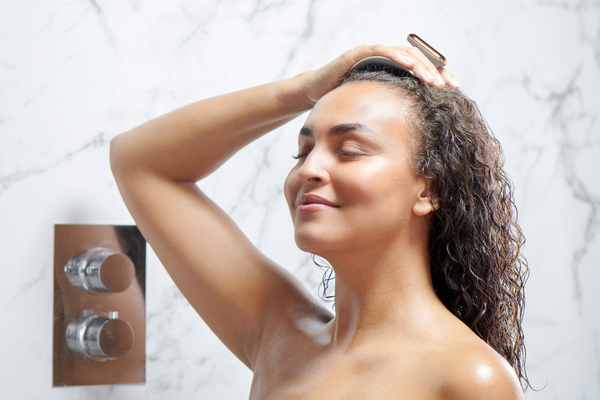
Weeks 2–4: Stick With It This stage is all about sticking with it. Wash your hair three to five times a week, massage your scalp for a few minutes each day, and keep using that serum. Add a supplement that includes biotin, zinc, and vitamins A, C, D, and E. And don’t forget the basics; eat enough protein like eggs, fish, beans, lentils etc. as they all help feed your follicles from the inside out.
Months 2–3: Stay Patient Here’s the tricky bit: you might still see shedding, and that can mess with your head a little. It doesn’t mean it’s not working – often, new growth starts below the surface before you see it. If you’re open to it (and it suits your situation), look into treatments like micro-needling or polynucleotide injections.
Months 4–6: Review and Tweak By now, you’ll probably notice some changes – maybe thicker texture, more density, or less shedding. Compare your photos and see what’s different. Stick with what’s clearly helping, and adjust what isn’t. Hair growth isn’t a straight line, it takes time, and sometimes small tweaks make all the difference. The goal from here is to make your routine feel natural – not something you have to force every day.
Final Thoughts
If you’re experiencing hair loss, we’re here to support. You deserve to be understood and treated with confidence and clarity, and once you understand what’s happening, you can work with your scalp instead of against it. Keep things simple: Cleanse well. Feed follicles. Stay patient. Repeat. Give your hair the same care you give your skin, and in time, you’ll start seeing the quiet signs of progress. Contact us to learn more about our treatments, book a consultation with one of our practitioners for tailored guidance on treating hair loss, or take our free online hair and scalp quiz to discover the best routine for your needs.For More Information
If you’re looking to explore targeted solutions for hair thinning or hair loss, here are some products that may help support your healthy growth and stronger, fuller-looking hair:- Hairburst Advanced+ Hair Supplement: A daily supplement designed to nourish the hair from within, supporting stronger strands and encouraging your hair’s healthier growth over time.
- Monpure Follicle Boost Hair Density Serum: A lightweight, scalp-stimulating serum formulated to help improve density and revive sluggish follicles — ideal for if you’re noticing reduced volume.
- Pharmaceris H Stimuforten Intensive Hair Growth Treatment: This targeted treatment helps to strengthen the roots, reduce shedding and support natural regrowth — particularly useful during periods of increased hair fall.
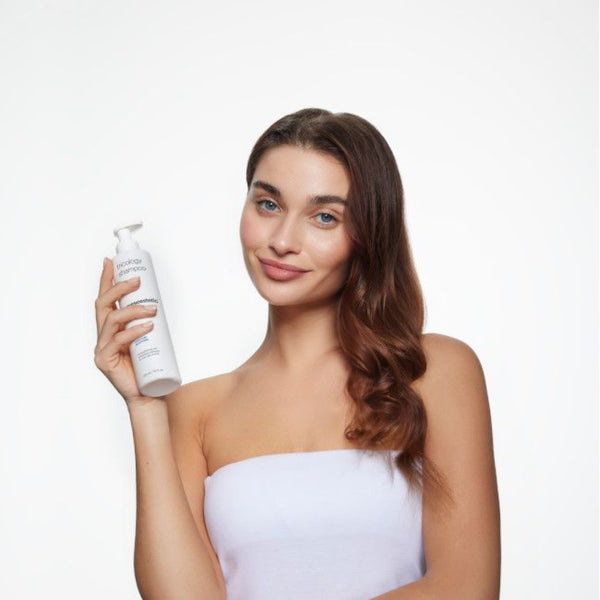
- mesoestetic Tricology Hair Loss Shampoo: A specialised shampoo that helps purify the scalp while delivering active ingredients to reduce loss and promote healthier-looking hair with continued use.
Shop The Article