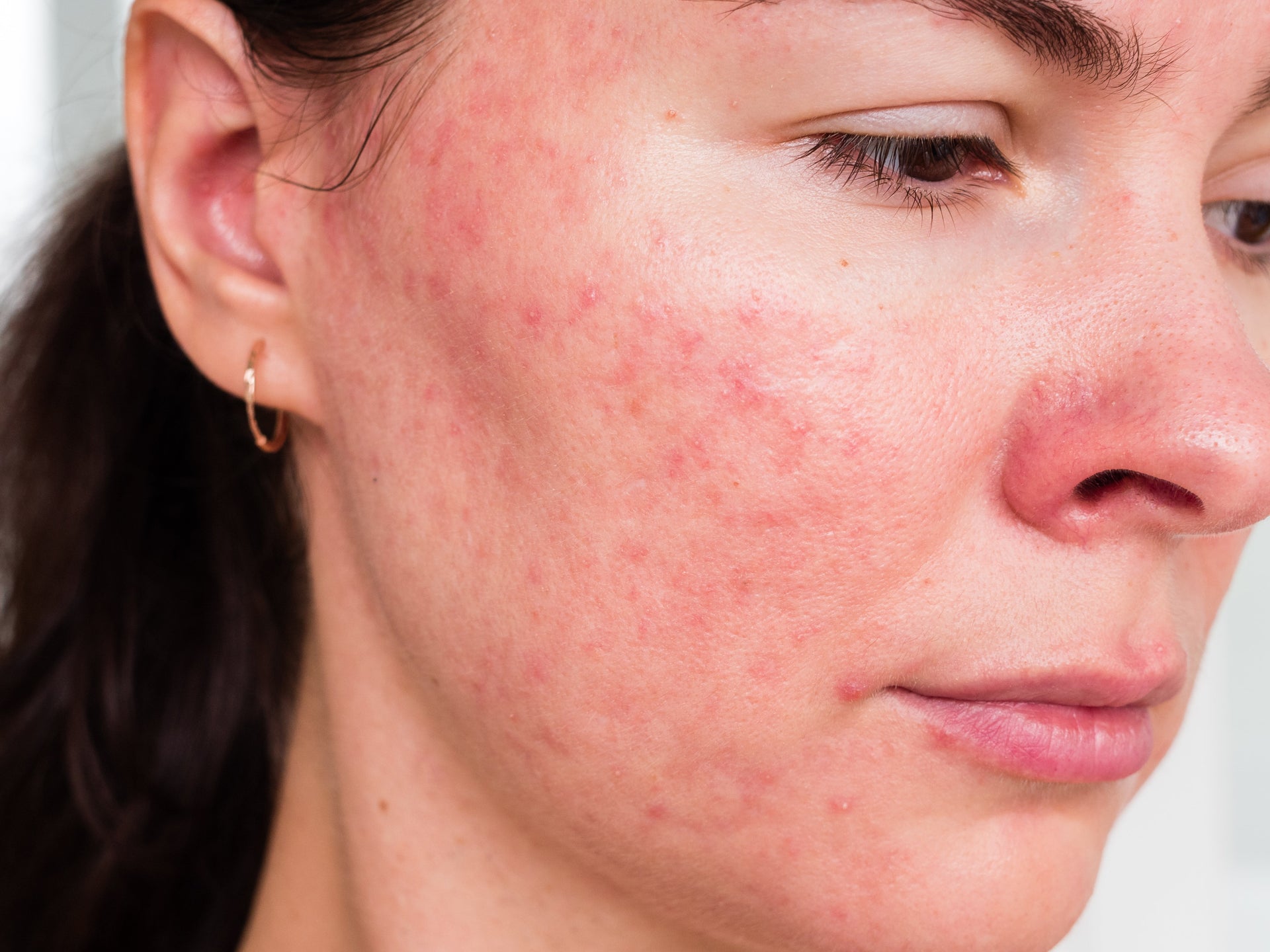
How to Treat Redness Caused By Acne
Wondering how to get rid of redness from acne? Discover calming skincare for redness, expert tips, and product picks to help soothe acne-prone skin.

Anyone who has dealt with acne will know that the blemish itself is often only half the story. Sometimes the spot goes down, but the redness seems to stay behind, leaving your skin looking flushed, uneven or more inflamed than it actually feels, and we understand how frustrating that feels.
It can be extra frustrating when you feel you’re doing everything “right” with your routine as well. So, you might be using targeted blemish products, cleansing properly, and avoiding pore-clogging formulas, but then still wondering how to get rid of redness from acne once the breakout has started to heal.
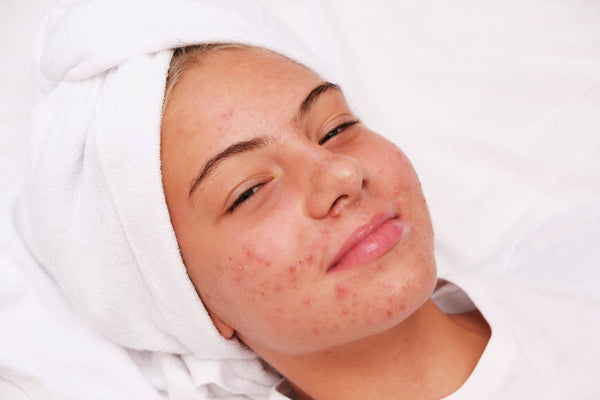
The first thing to know is that acne-related redness is very common among our community. In fact, it can happen while a blemish is active, or it can appear as a flat red or pink mark after the spot has gone.
The right approach is not always about using stronger products. Instead, it’s about calming inflammation, supporting your skin barrier, and choosing skincare for redness that treats blemishes without making your skin feel stripped or stressed.

Why Does Acne Cause Redness?
It’s interesting to note that redness is usually your skin’s way of responding to inflammation. When a pore becomes blocked with oil, dead skin cells and bacteria, your skin reacts by sending more blood flow to the area, and that’s why active breakouts can look red, swollen, warm, or tender.
This kind of redness often appears around inflamed spots such as papules, pustules, nodules and cysts. As the blemish heals, the redness usually starts to settle too.
However, some red marks can linger for longer. These are often known as post-inflammatory erythema, or PIE. Essentially, these are flat red, pink or purple marks that can be left behind after acne inflammation has calmed down, and whilst not quite the same as textured acne scars, many of our customers still refer to them as acne scarring redness because they can remain visible long after a breakout has gone.
These marks can then be more noticeable if your skin is fair, sensitive, reactive, or prone to flushing. They can also last longer if spots have been picked, squeezed, over-exfoliated, or left unprotected in the sun.
How to Get Rid of Redness on Face After Acne
If you have been searching far and wide for how to get rid of redness on your face, the answer depends on what is causing the redness in the first place. Redness from an active, inflamed spot needs a slightly different approach to redness left behind after a blemish has healed.
For active breakouts, the aim is to calm inflammation and treat the blemish gently. When it comes to post-acne red marks, the focus shifts towards barrier support, daily SPF, and ingredients that help even the look of skin tone over time.
The biggest mistake is doing too much too quickly, though. If your skin is already red, sore or reactive, layering strong acids, retinoids and drying spot treatments can make everything look angrier. A calm, consistent routine is usually far more effective than an aggressive one.

Is It Acne Redness, Acne Scarring Redness, or Rosacea?
It’s a question we hear a lot, because it’s easy to confuse different types of facial redness, especially if your skin is sensitive. Here is an overview:
· Acne redness usually appears around active breakouts or where a spot has recently healed. It may look red, pink or slightly purple, and it often fades gradually with time and the right skincare.
· Acne scarring redness usually refers to those lingering post-blemish marks that remain flat on the skin. They do not usually cause dips or raised texture, but they can make the complexion look uneven.
· Textural acne scarring is different. This can leave pitted, indented, or raised marks on the skin, and may need more advanced treatments.
· Rosacea can also cause redness, but it often appears as flushing across the cheeks, nose, forehead or chin. It may come with sensitivity, stinging, visible blood vessels, or redness that is not directly linked to individual breakouts.
Of course, your skin does not always fit neatly into one box. You can have blemishes, sensitivity and flushing at the same time, and if your redness is persistent, painful, spreading, or not improving with your routine, it’s worth speaking to one of our skin experts or a healthcare professional for more personalised advice.
We also have two expert guides on facial acne, including:
· Forehead Acne: Causes, Triggers and How to Treat It
· Why Am I Getting Acne on My Cheeks? Causes, Triggers and Treatments
How to Reduce Redness on Face Without Making Acne Worse
When you are trying to work out how to reduce redness on your face, especially if you are breakout-prone, the best place to start is with your skin barrier.
Your skin barrier is what helps keep moisture in and irritants out, and when it becomes compromised, your skin can feel tight, stingy, dry, rough or unusually sensitive. Redness can look more noticeable, and even products you normally tolerate may start to feel uncomfortable.
This is why redness skin care should be gentle, steady and supportive. You still want ingredients that help with congestion and blemishes, but they need to sit alongside calming, hydrating and barrier-strengthening products.
Step 1: Cleanse Gently
Cleansing is important for acne-prone skin, but harsh cleansing can quickly make redness worse. If your face feels tight, squeaky-clean or hot after washing, your cleanser may be too stripping.
Choose a cleanser that removes oil, makeup and SPF without leaving the skin uncomfortable. If you wear heavier makeup or water-resistant sunscreen, double cleansing in the evening can be helpful, but keep both steps gentle.
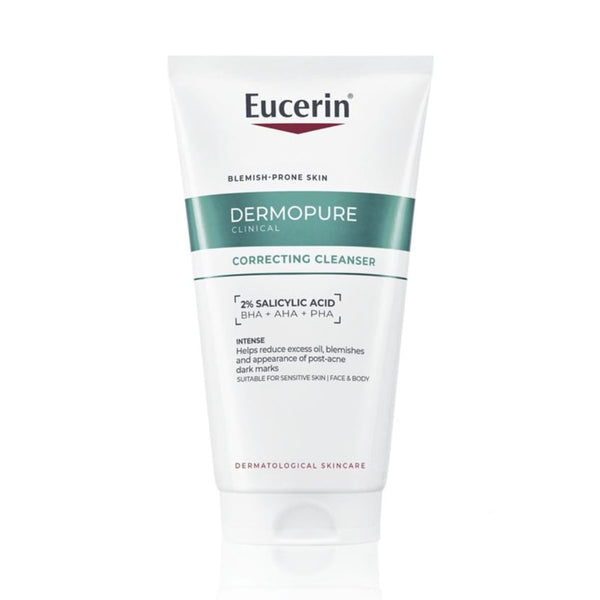
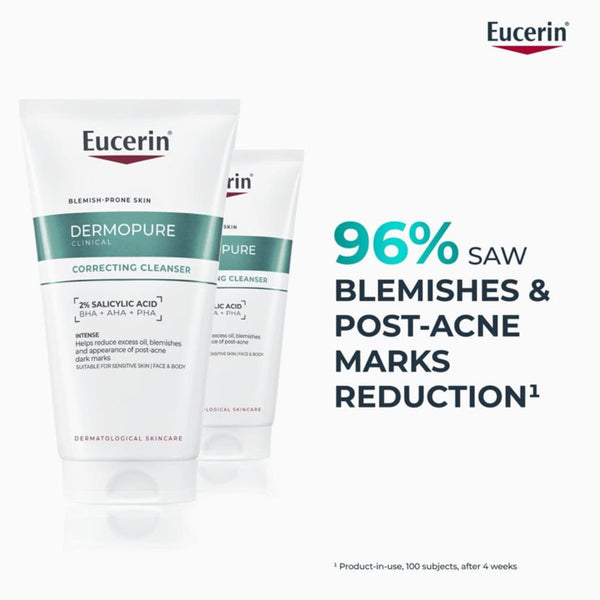
For blemish-prone skin with congestion, Eucerin Dermopure Clinical Correcting Cleanser is a useful option. It contains salicylic acid and exfoliating acids to help unclog pores and support the look of post-acne marks, making it a good fit for a simple blemish-focused routine.
If your skin is feeling particularly reactive, you may want to alternate an active cleanser with a more soothing, non-exfoliating cleanser until your skin feels settled again.
Step 2: Use Targeted Acne Treatments Carefully
When redness and acne happen together, it can be tempting to throw every active ingredient at your skin. The problem is that too many actives can make redness worse, especially if your skin barrier is already under pressure.
Ingredients such as salicylic acid, glycolic acid and lactic acid, can all be helpful for blemish-prone skin, but they need to be used with care. Start slowly, avoid layering too many strong formulas in one routine, and pay attention to how your skin feels.
CeraVe Blemish Control Gel with AHA & BHA for Blemish-Prone Skin is a good example of a treatment that targets blemishes, blackheads and uneven texture while also including barrier-supporting ingredients such as ceramides, glycerin and hyaluronic acid.
For individual spots, mesoestetic Blemiderm Local Control can be used as a targeted treatment. It contains AHA and BHA ingredients to help purify pores, alongside niacinamide and enoxolone to support the look of redness and post-blemish marks.
The key is not to overdo it. If your skin starts to sting, peel or look more inflamed, reduce how often you use active treatments and give your skin a few recovery nights.
Step 3: Add Calming Skincare for Redness
This is where your routine can make a big difference. Once the skin is red or irritated, calming ingredients help bring comfort back and support a more even-looking complexion.
Look for ingredients such as niacinamide, panthenol, bisabolol, ceramides, squalane, azelaic acid and gentle PHAs. These are often found in skincare for redness because they help support the skin barrier and reduce the appearance of irritation.
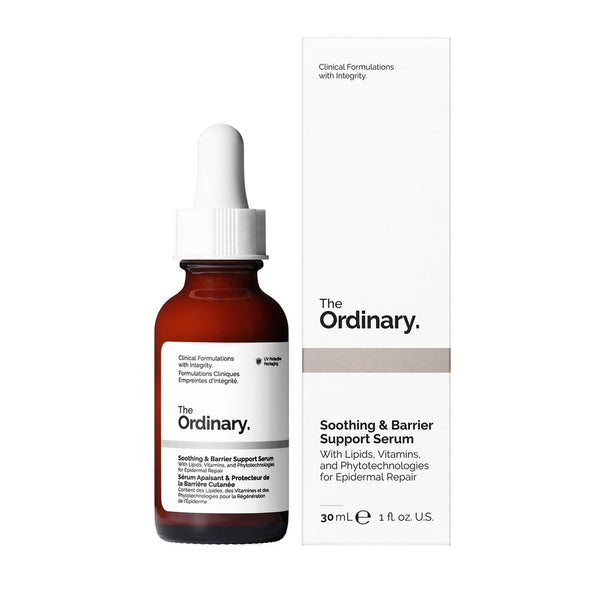
The Ordinary Soothing & Barrier Support Serum is a great choice if your skin feels tight, dry or easily irritated. It is designed to reduce the appearance of visible redness, support the skin barrier and boost hydration, making it especially useful if your acne routine has left your skin feeling overwhelmed.
PCA Skin Anti Redness Serum 1oz is another option for redness-prone skin. With ingredients including niacinamide, bisabolol, panthenol, vitamin E and ceramide NP, it helps calm and soothe skin that feels irritated or reactive.
If flushing and sensitivity are part of the picture, NeoStrata Redness Neutralising Serum can also work well within a calming routine. It is designed to help reduce the appearance of redness, support the skin’s protective barrier and restore comfort.
Step 4: Moisturise, Even If Your Skin Is Oily
Skipping moisturiser is one of the most common mistakes people make when dealing with acne. It makes sense on the surface. If you have oily skin, or your skin is breaking out, the last thing you may want to do is add more product.
But moisturiser is not just about adding richness. It helps reduce water loss, keeps the skin barrier comfortable, and can make active blemish treatments much easier to tolerate. Without it, skin can become dehydrated, reactive and more visibly red.
If you are looking for redness skin care that feels comforting but not heavy, Bioderma Sensibio Anti-Redness Moisturiser is a lovely option for reactive, sensitive skin. It helps soothe discomfort while targeting the appearance of visible redness.
SkinCeuticals Redness Neutraliser is another strong choice for sensitive, redness-prone skin. It helps reduce the look of redness and flushing while supporting the skin barrier, making it especially useful if your skin reacts easily to weather, heat, stress or environmental changes.
Step 5: Wear SPF Every Morning
If you want to know how to get rid of redness from acne, SPF has to be part of the answer.
UV exposure can make post-blemish marks look more noticeable and can slow the appearance of fading. It is also particularly important if you are using exfoliating acids, retinoids or other active acne treatments, as these can make your skin more sensitive to the sun.
Choose a broad-spectrum SPF that feels comfortable enough to wear every day. If your skin is oily or blemish-prone, look for lightweight, non-comedogenic textures. If your skin is sensitive or redness-prone, you may prefer formulas created with reactive skin in mind.
Think of sunscreen as the step that protects all the work your treatment serums and moisturisers are doing.

What to Avoid When Acne Redness Flares Up
When your skin is red, hot or inflamed, it usually needs less pressure, not more.
Try to avoid harsh scrubs, over-exfoliating, picking spots, using several active treatments at once, and applying drying spot products across large areas of the face. Very hot water, aggressive cleansing brushes and heavy products that you know clog your pores can also make things worse.
Picking is especially important. It may feel impossible to resist, but squeezing a spot can increase inflammation and make post-acne redness last much longer. If a blemish feels deep, sore or cystic, leave it alone and focus on reducing inflammation.
A Simple Routine for Acne Redness
If your skin feels inflamed, keep things simple for a few weeks.
- In the morning, cleanse gently, apply a calming serum, moisturise, and finish with SPF.
- In the evening, cleanse again, use your blemish treatment or exfoliating treatment on the nights your skin can tolerate it, then follow with moisturiser.
You do not need to use an acne active every single night to see results. In fact, if redness is one of your main concerns, alternating treatment nights with recovery nights can often be much better for your skin.
How Long Does Acne Redness Take to Fade?
Understanding Your Skin
Redness caused by acne can be stubborn, but the right routine should make your skin feel calmer. Whether your skin is oily, dry, sensitive, congested, reactive, or a mix of everything, a balanced approach can help you treat blemishes while supporting the skin barrier.
Shop our acne and blemish-prone skincare collection, discover our anti-redness skincare, or take our free online skin test to find products suited to your skin.
For more tailored advice, book a virtual skin consultation or contact us to speak to one of our skin experts for help building your perfect skincare routine.